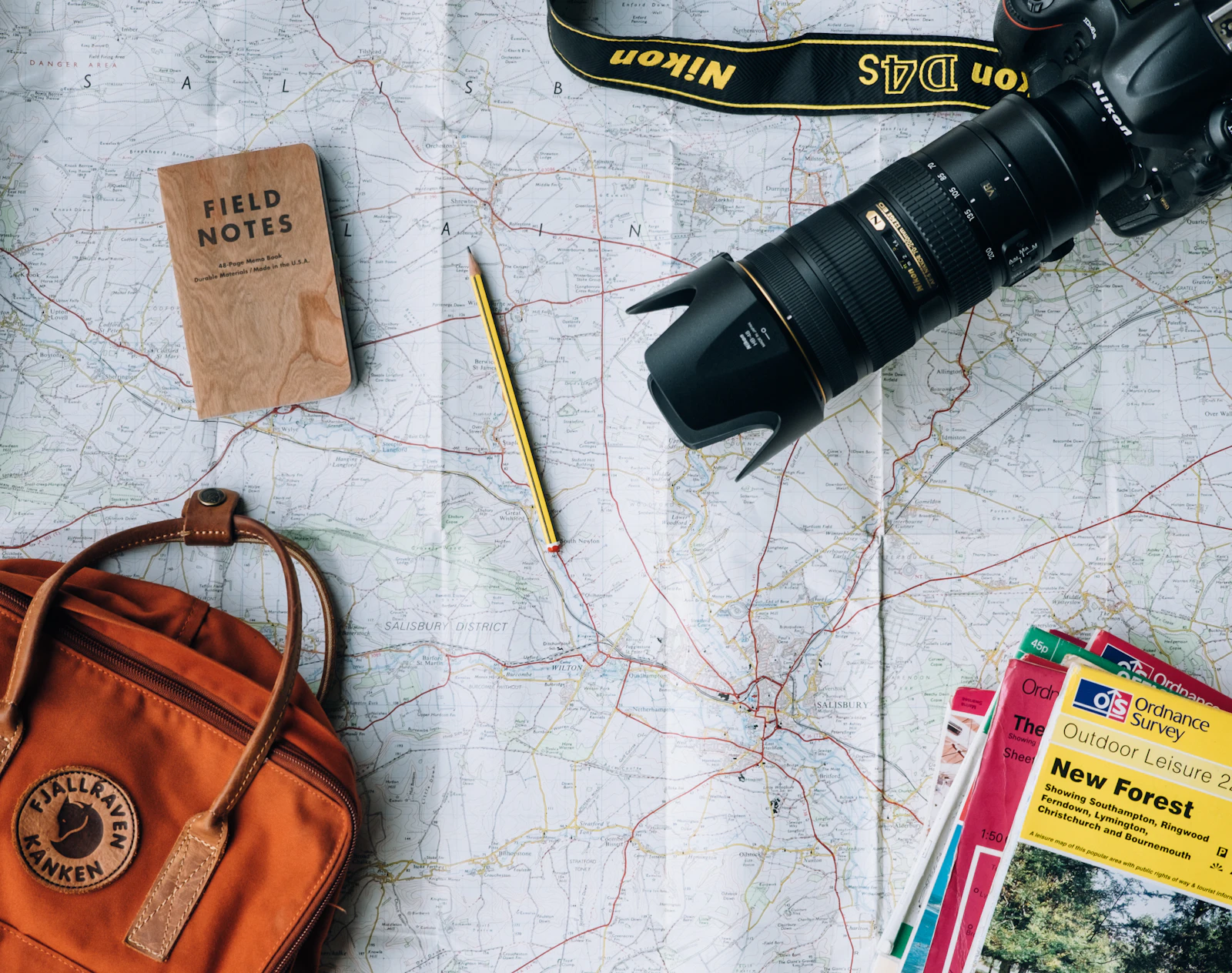
How to Find Safe Travel Buddies Around the World
Wanting a travel companion isn't the hard part — knowing who to trust is. Here's a practical, honest guide to finding safe travel buddies, wherever you're headed.

How to Find Safe Travel Buddies Around the World
You want to travel.
You don't necessarily want to travel completely alone.
But you also don't want to end up with a stranger you know nothing about, in a country you've never been to, hoping for the best.
That hesitation is normal. It's also the exact reason so many people who want to travel more, don't.
Here's the honest, practical answer to a question thousands of people type into Google every month: how do you actually find a safe travel buddy — not just any travel buddy?
Quick Answer: How to Find a Safe Travel Buddy
If you only read one section, read this one.
- Use a platform that verifies identity (ID + selfie match), not an open public post
- Talk before you travel — message, then voice or video call, before agreeing to anything
- Meet the first time in a public place, even if you'll be traveling together after
- Tell someone you trust your travel companion's name, photo, and itinerary
- Trust hesitation. If something feels off before the trip, it won't feel better during it
- Keep early conversations on the platform's messaging, not personal numbers, until you're sure
Everything below goes deeper into each of these — and where most people currently search for travel buddies, and why that's often the risky part.
Why So Many Travelers Look for a Travel Companion
Solo travel teaches independence. It also gets lonely in ways nobody mentions in the highlight reels.
Eating dinner alone every night. Wanting someone to split a taxi, or a hotel room, or just the mental load of navigating a new city. Wanting a photo where you're actually in the shot for once.
None of that means solo travel was a mistake. It means humans are wired to want company on top of independence — not instead of it.
The problem was never the desire for a travel buddy.
Where People Currently Search for Travel Buddies (and the Trust Gap in Each One)
Facebook travel groups. Huge reach, almost zero verification. Anyone can post "looking for someone to join me in Bali next month," and you have no way to confirm who they actually are.
Reddit threads (r/solotravel, r/travel, destination-specific subs). Genuinely helpful for advice — much weaker for actually vetting a person, since most interactions stay anonymous and move to DMs quickly.
Hostel bulletin boards and common rooms. Works, but only after you've already arrived — not useful for planning a trip together in advance, and still zero background on the person.
Couchsurfing Hangouts and similar apps. Built for meeting people, not specifically for verified long-term travel companionship — safety features vary a lot by app and region.
Word of mouth / friends of friends. Often the safest-feeling option, and also the rarest — most people don't have a friend-of-a-friend heading to the same place on the same dates.
The common thread: most of the internet's default answer to "find a travel buddy" is an unverified public post. That's the actual gap — not a lack of people wanting to travel together.
What Actually Makes a Travel Companion "Safe"
Safety isn't a feeling — it's a set of things you can actually check.
1. Identity verification. A real ID and selfie match, confirmed by the platform, not just a profile photo someone uploaded themselves.
2. A visible travel history or reputation. Reviews or trip history from other travelers who've actually met this person — not just what they say about themselves.
3. In-platform messaging before you exchange personal contact details. This gives you a paper trail and a way to report concerning behavior before it becomes a real-world problem.
4. Community context. Are they active in a destination community, not just a single isolated profile that appeared yesterday?
5. A platform that lets you report and block easily — and one that reveals full trip details (like exact dates and location) only once trust is established, not to anyone browsing.
How to Vet a Travel Companion Before You Ever Meet
Message first, meet second, travel third. Every step should feel like it's adding information, not just adding excitement.
Get on a video call before agreeing to anything. A five-minute call tells you more than three weeks of text messages. Scammers and bad actors overwhelmingly avoid live video.
Ask questions a stranger couldn't fake easily. Where else have they traveled? Can they describe a real, specific memory? Vague, generic answers are a signal, not a coincidence.
Meet in person for the first time somewhere public, even if the plan is to travel together starting the next day. A coffee shop conversation before a shared hotel room isn't overly cautious — it's just sensible.
Tell a friend or family member the plan. Name, photo, itinerary, and check-in times. This isn't about distrust — it's the same reason you'd share a delivery driver's plate number. It costs nothing and changes the entire risk profile.
Listen to hesitation. If a detail doesn't add up, or someone pressures you to skip a step (skip the call, skip the public meeting, share your location early), that's information too — usually the most important information you'll get.
Red Flags to Take Seriously
- Refuses a video call or keeps pushing to move off the platform immediately
- Pressures you to finalize plans or share personal details quickly
- Profile has little to no travel history, reviews, or community activity
- Stories about themselves change or don't add up between conversations
- Asks for money before you've even met
None of these alone is automatically a dealbreaker — but more than one together is a clear signal to slow down or walk away.
Why Verified Communities Beat Open Public Posts
An open Facebook post or a public forum thread has one job: reach as many people as possible. It was never designed to answer the question that actually matters — can I trust this specific person?
A verified travel community flips that priority. Identity checks, visible trip history, in-app messaging, and reporting tools all exist for one reason: so "finding a travel buddy" and "finding a safe travel buddy" become the same search, instead of two different ones.
That's the entire idea behind Your Travel Pals — verified profiles, destination communities, and an AI trip planner built around travelers actually meeting each other safely, not just browsing a feed of strangers.
Frequently Asked Questions
Is it safe to travel with someone you met online?
It can be, if you verify who they are first, speak on a video call before committing, meet in person somewhere public initially, and tell someone else your plans. The risk isn't meeting someone online — it's skipping the steps that would tell you whether to trust them.
What's the best way to find a travel buddy for a solo trip?
The safest approach is a platform with identity verification and visible travel history, rather than an open public post on social media or a forum. Verification doesn't guarantee a perfect match, but it removes the biggest unknown: whether the person is who they say they are.
How do I know if a travel companion is trustworthy before meeting them?
Look for a verified profile, a real travel history or reviews from other travelers, and consistent answers across conversations. A video call before meeting in person is one of the single most effective ways to confirm someone is genuine.
Are travel buddy apps safe for women traveling solo?
Safety depends heavily on the specific platform's verification and reporting features, not the concept itself. Look for identity verification, visible reputation, in-app reporting/blocking, and features that reveal precise trip details only after trust is established — not to anyone browsing publicly.
Should I share my exact travel dates and location with a travel buddy right away?
No — share general destination and timing early, and keep exact dates, accommodation, and detailed itinerary private until you've verified the person through messaging and a video call. A trustworthy platform is built to work the same way by default.
Final Thoughts
Wanting company on the road isn't a weakness, and it isn't naive. It's one of the most human things about travel.
The goal was never to eliminate the desire for a travel buddy. It was to close the gap between "I want a travel companion" and "I can actually trust this person" — with verification, visible history, and a community designed around safety instead of an anonymous public post and a hope for the best.
That gap is exactly what we're building at Your Travel Pals.
Join the waitlist → or take the 2-minute Travel DNA Quiz to see what kind of travel companion actually fits your style.
Related Articles
- AI Trip Planner vs Traditional Travel Planning: Which One Creates Better Travel Experiences?
- Why Authentic Travel Experiences Matter More Than Checking Off Tourist Attractions
- Why Every Solo Traveler Needs a Travel Community in 2026
- The Ultimate Solo Travel Checklist: 75 Things Every Traveler Should Do Before Every Trip